
Conversation and Book Signing with Ellen Meeropol and Gail Gelburd – Free
July 18 @ 10:00 am - 12:00 pm
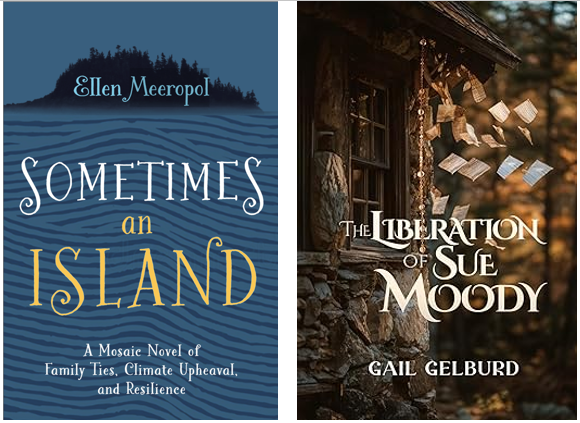
Join local authors Ellen Meeropol and Gail Gelburd for a conversation on their recent books, two powerful takes on survival and resilience:
Ellen Meeropol’s sixth novel, Sometimes an Island, is “a gorgeous and immersive story of family and circumstance, tragedy, and the hard work that leads to triumph” (Booklist starred review).
In The Liberation of Sue Moody, local artist and writer Gail Gelburd draws on the real-life Otis resident Sue Moody’s writings to tell the story of a journalist who carved her own path through personal and professional struggles, including Nazi occupation in France.
Books will be available for sale and signing.
About Ellen Meeropol:
 |
From Ellen’s website:
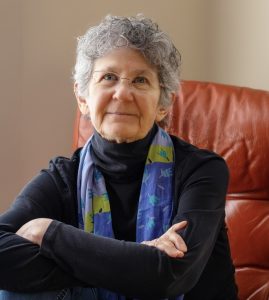
Ellen Meeropol is the author of six novels (Sometimes an Island, The Lost Women of Azalea Court, Her Sister’s Tattoo, Kinship of Clover, On Hurricane Island, and House Arrest) and the guest editor for the anthology, Dreams for a Broken World. Her work has been honored by the Sarton Women’s Prize, The Women’s National Book Association, and the Massachusetts Center for the Book. After a career as a pediatric nurse practitioner, Ellen Meeropol began seriously writing fiction in her fifties. She was a literary late bloomer, although her first publications came much earlier. At age twelve, her essay, “I am a Square Dance Orphan,” was published in a national square dance magazine and she wrote a monthly feature column for her high school newspaper in the Washington, D.C. area. Ellen studied art at Earlham College and the University of Michigan. |
About Gail Gelburd:
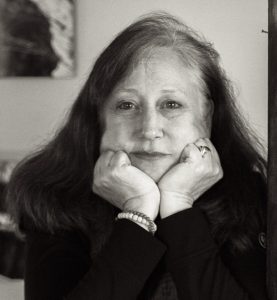 |
From Gail’s website:Dr. Gail Gelburd is an art historian, professor, museum director, and writer of over a dozen books—primarily about artists and the stories behind their work. Her fascination with personal histories led her to the forgotten papers of Sue Moody, discovered in an abandoned home in Otis, Massachusetts.
Inspired by Sue Moody’s letters and manuscripts, Gelburd turned this archival discovery into a vivid reconstruction of a woman’s life shaped by art, war, and survival. |